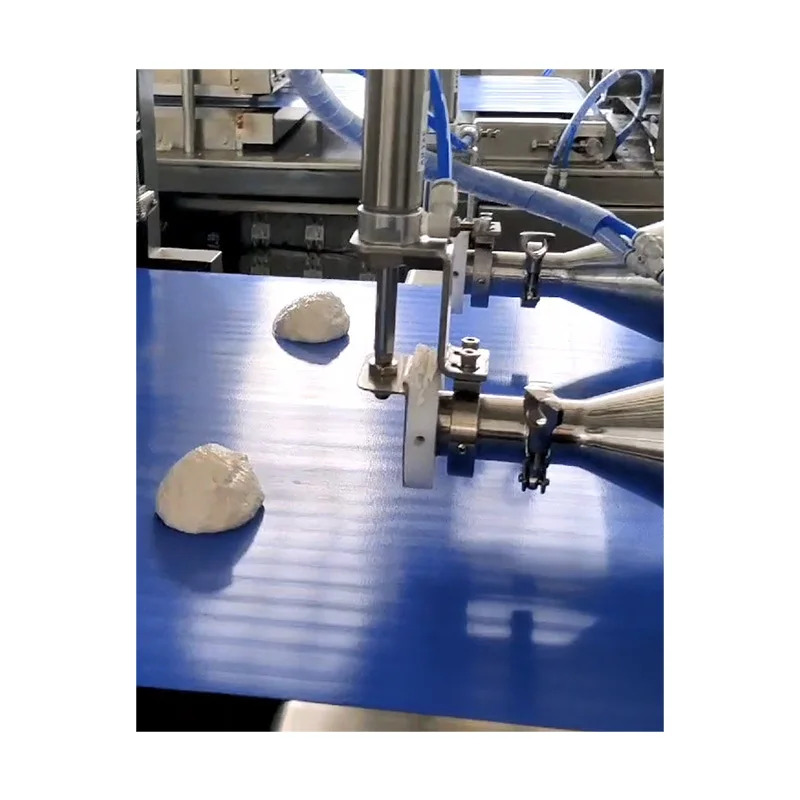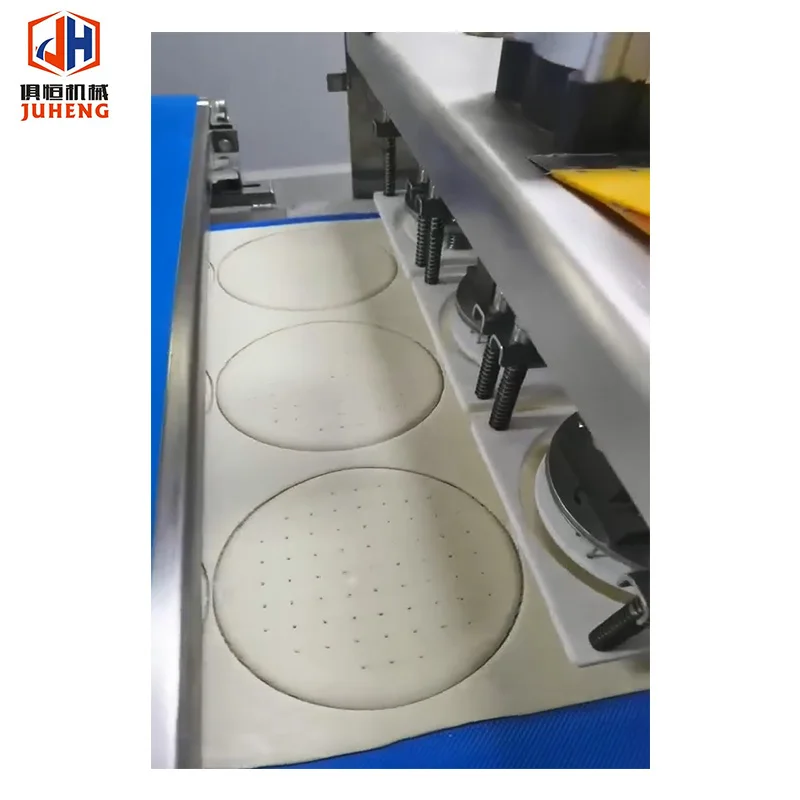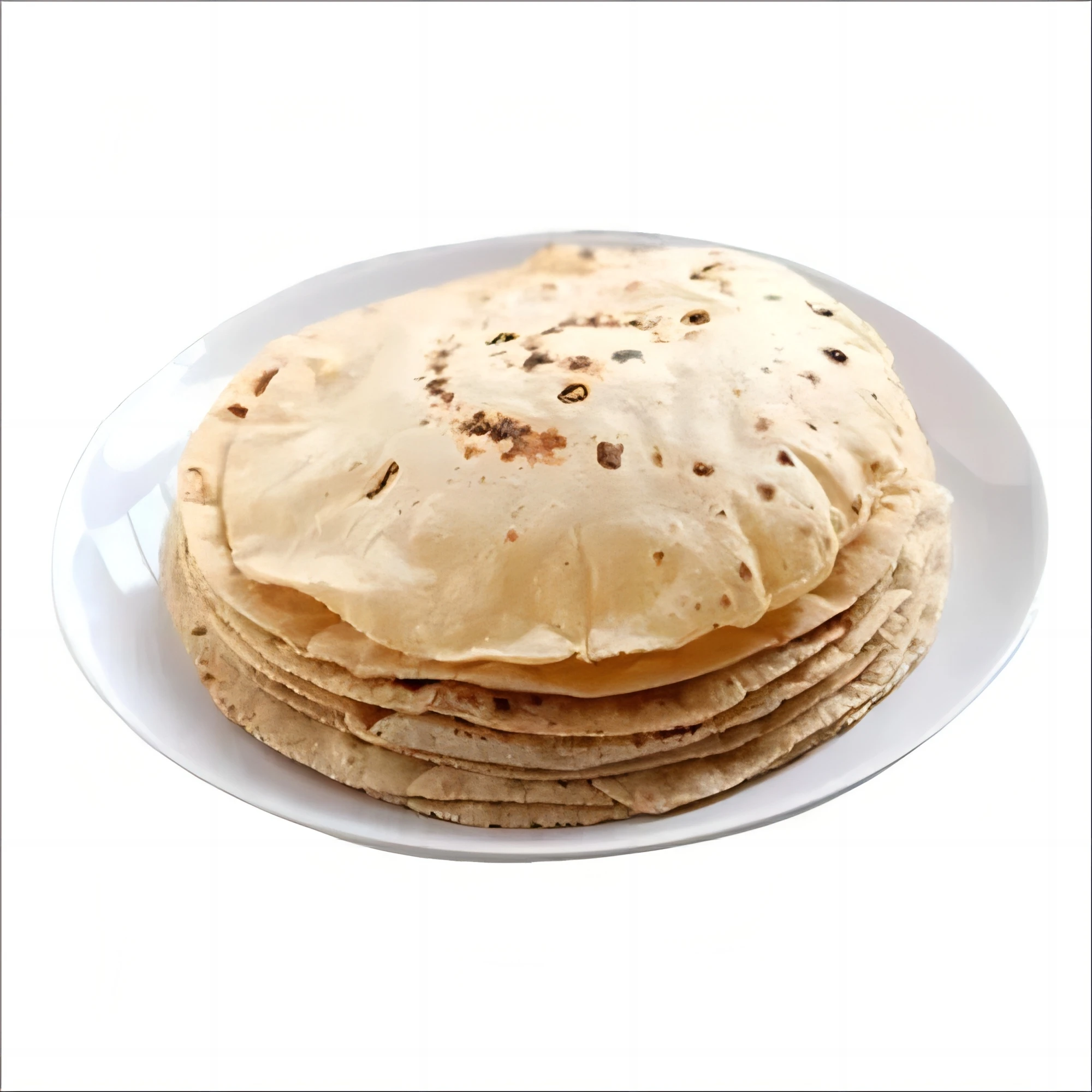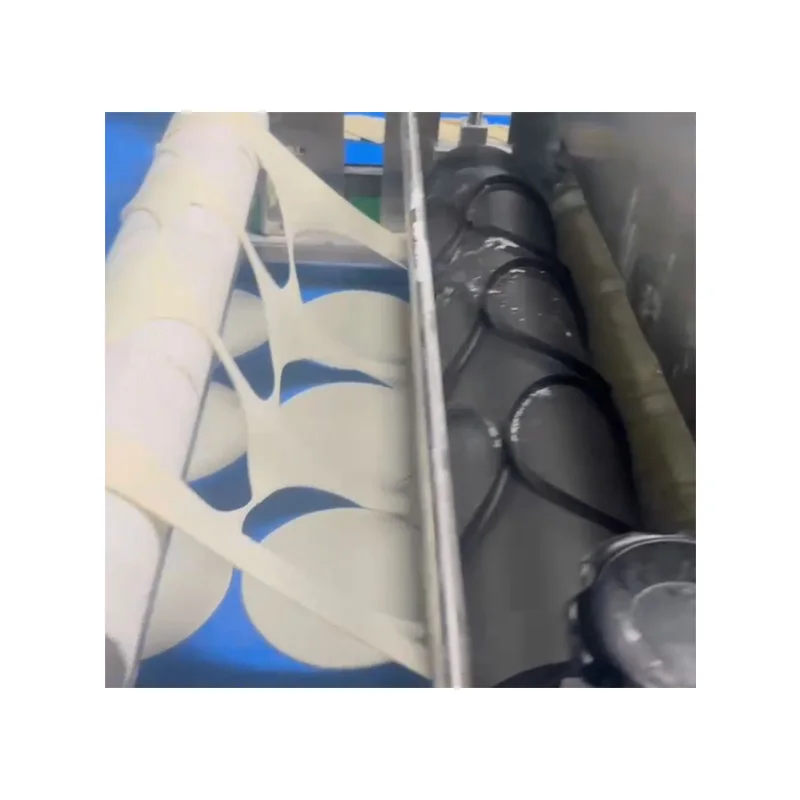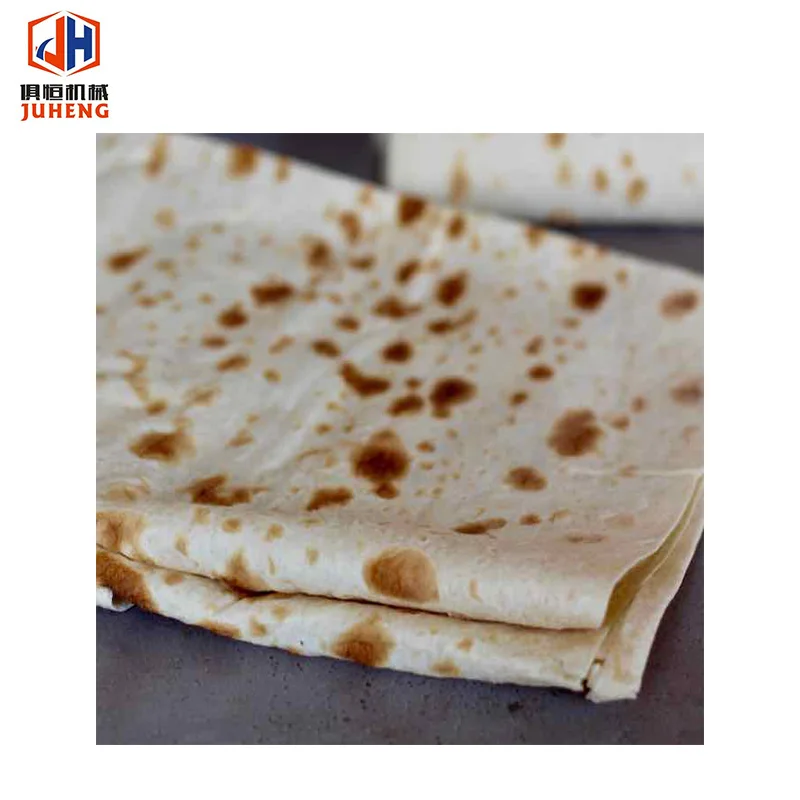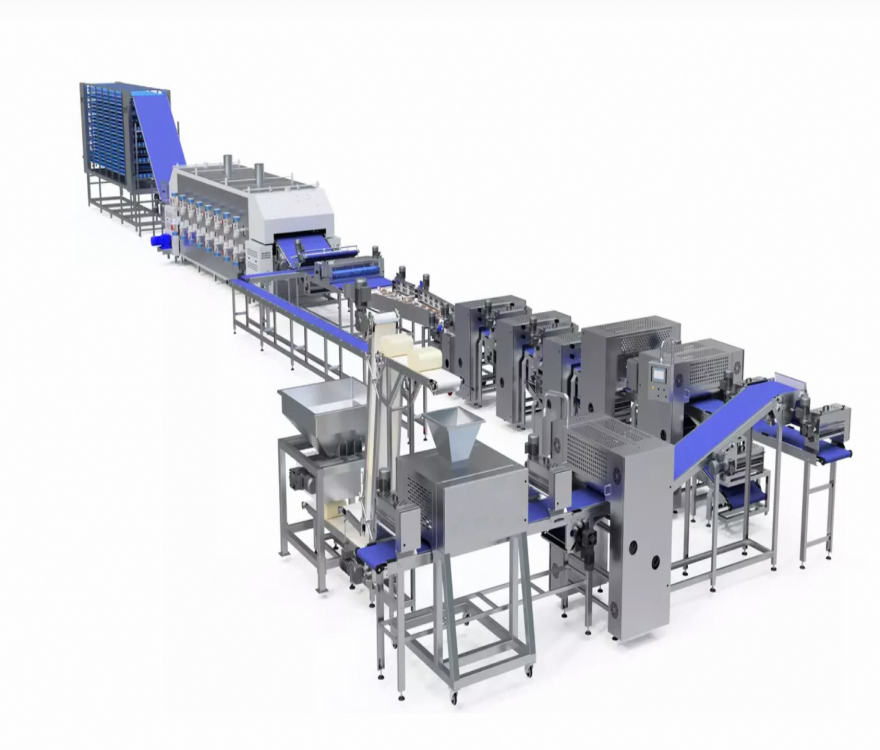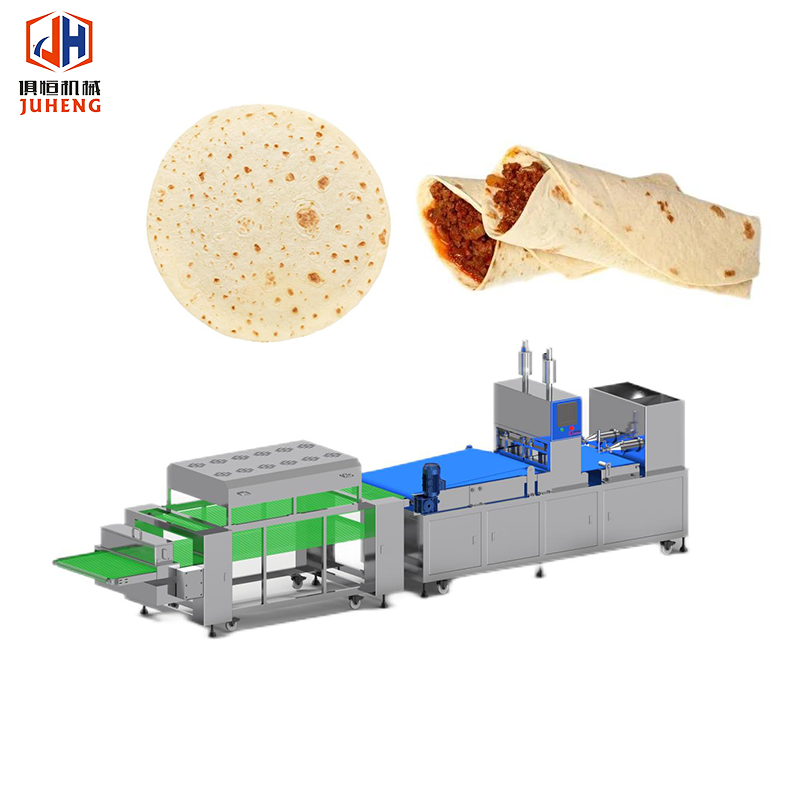
Shawarma is among the most famous dishes originated from the Middle East. It’s formed by layering strips of meat on a vertical spit, rotating and slow-cooking it. Nowadays, shawarma production has evolved and become more a production line of pressed and molded meats. These lines are specifically designed to produce a high quantity shawarma in a short amount of time to satisfy the bulk needs of hungry customers.
The Juheng shawarma assembly line is designed to be super efficient. This translates to the fact that it can make a significantly more shawarma in a shorter period of time than the traditional way. This is very useful for companies that have to serve a lot of people. And since everything is ready to go quickly and seamlessly, restaurants and food manufacturers can ensure that no one has to wait too long to be served a heaping plate of mouth-watering shawarma.
One of the best features of the Juheng shawarma production line is that it is adaptable. Kitchens and factories come in many shapes and sizes, and accommodate different needs. Juheng knows this and has options like different sizes of equipment and features that can be added or taken away. This makes it easier for businesses to determine what’s best for them without forking over cash for things that aren’t.
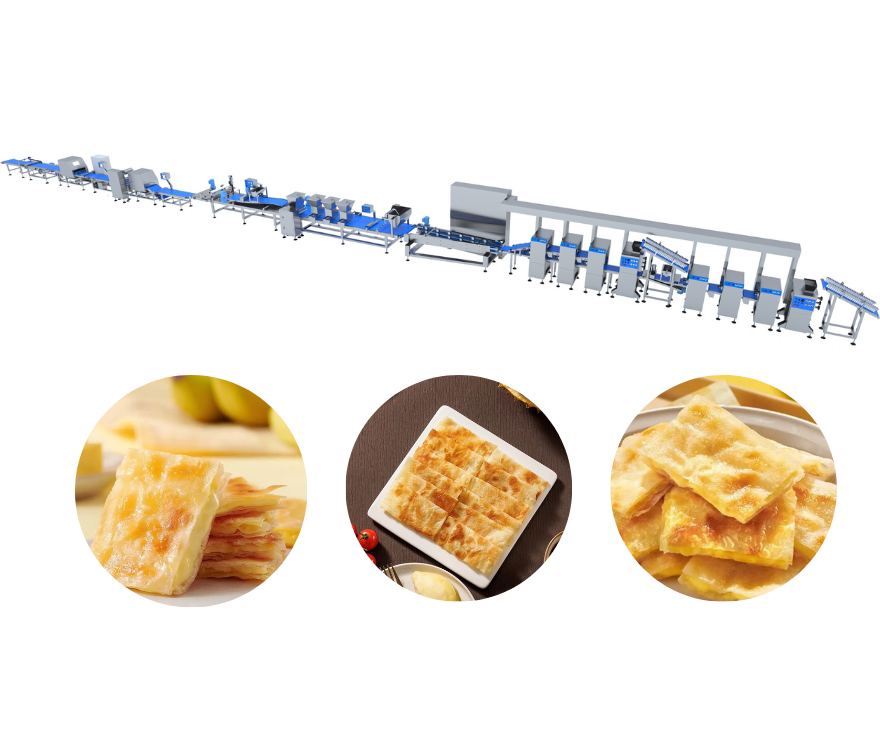
Description:- High quality Materials AndTechonology- Comfortable and soft Design- With Retail Package- BrandsFor u ™radientFull ultra thin slim case Product.
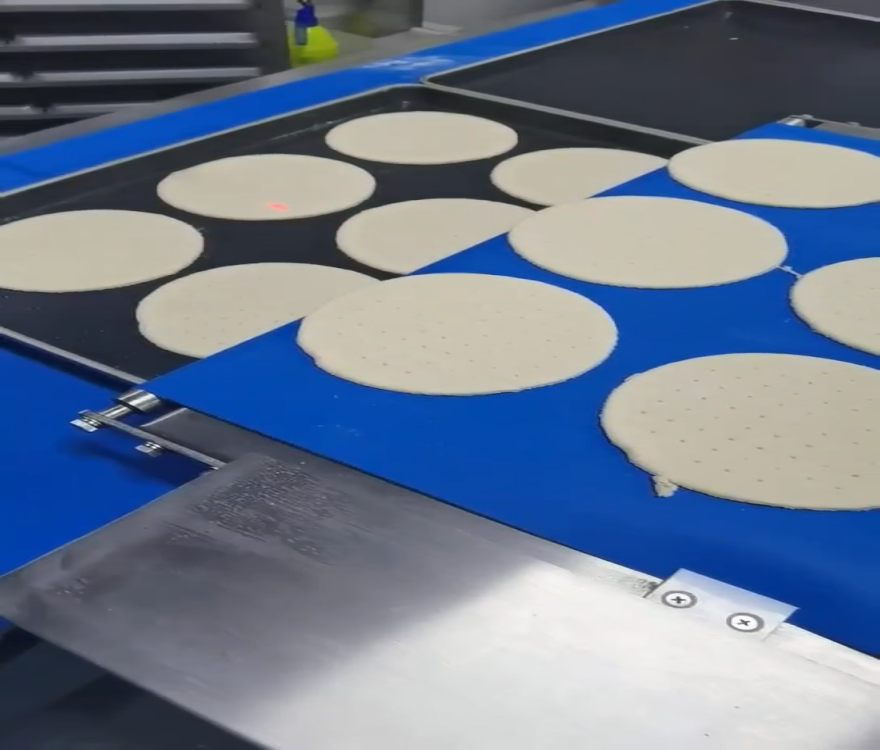
Juheng has always used high-quality materials and the most advanced technology to produce their shawarma production lines. That’s because the machines are not only sturdy and built to go the distance, but they also just make really good shawarma. Use of high grade materials guaranties the taste and quality of shawarma satisfies customer and therefore a win-win for both the business and customers.
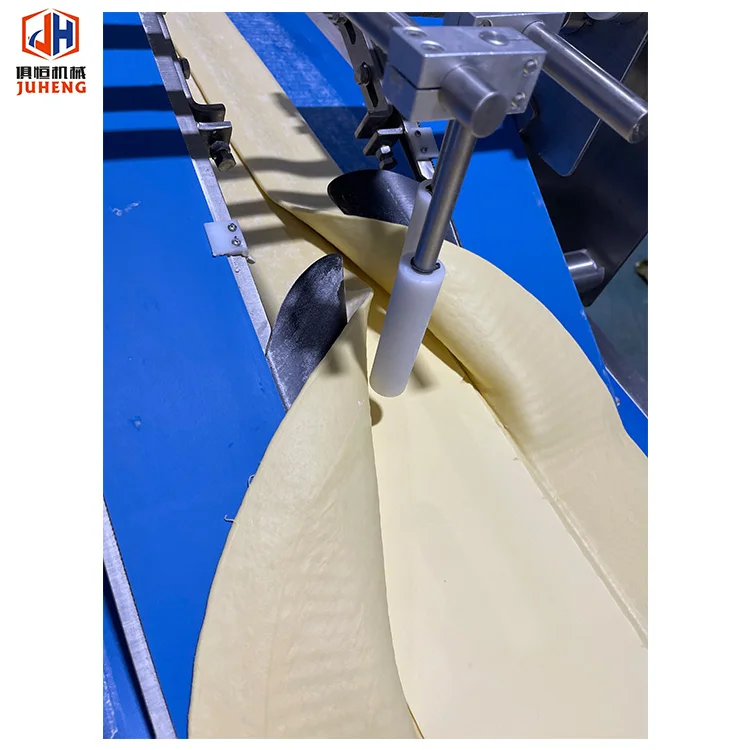
No matter what kind of business you have, you’re going to want to keep a lid on costs. And Juheng’s shawarma production line assists with that by reducing the production process on a scale of simplicity, speed. This reduces the number of workers needed and waste, which ultimately saves money in the long run. Reduced production costs could in turn mean lower prices for customers, more sales, and higher profit.
We are an shawarma production line 8-year old company that has rapidly established itself as one of the top companies in the field of food Our committed team is constantly developing their expertise and skills to keep us at the forefront of innovations in our field Our commitment to constant growth means we're always improving by adapting and re-inventing to meet the changing needs of our clients
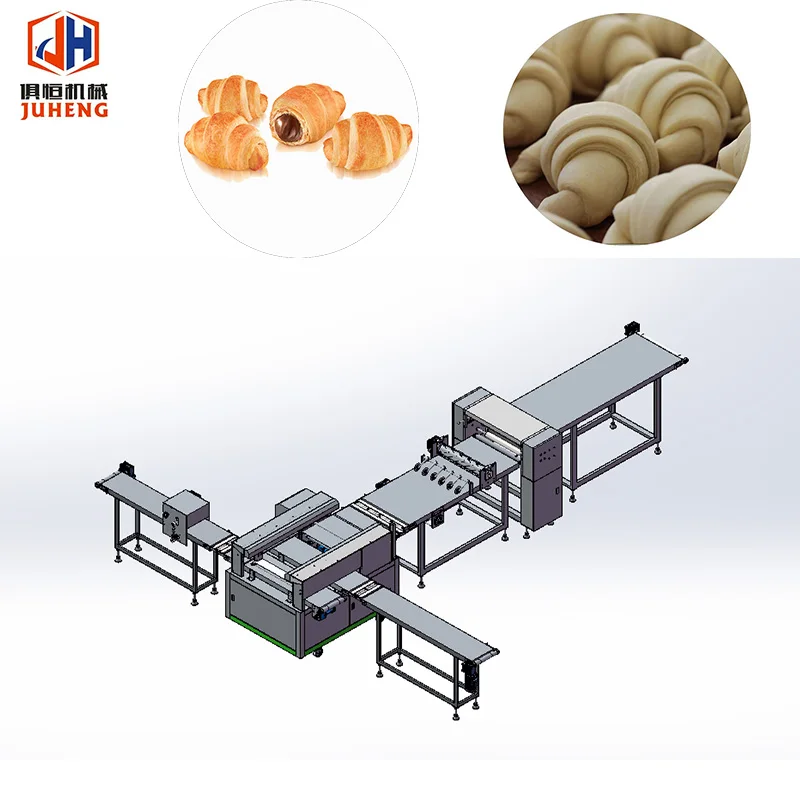
Recognizing that each company is different We offer highly customized flatbread and pastry production lines. Our products are designed in close collaboration with our customers to ensure they are in perfect alignment with your shawarma production line requirements. We optimize the efficiency of our production line by customizing every aspect from handling materials to packaging.
We're determined to build lasting relationships with our customers We offer a full range of support after the sale including shawarma production line ongoing maintenance and training We're always available to answer any questions or concerns We invest constantly in technology research and development to improve our products and service By choosing us we're working with a company dedicated to your success and growth
Our primary goal is to prioritize quality above all else We only use high-quality materials and components for our production lines and shawarma production line stringent quality control measures throughout the production process We're committed to achieving European standards This ensures that every product from our manufacturing facility meet most stringent standards This can boost the reputation of your company and increase the satisfaction of your customers
 EN
EN AR
AR FR
FR DE
DE HI
HI IT
IT JA
JA KO
KO PT
PT RU
RU ES
ES ID
ID TR
TR FA
FA HY
HY BN
BN